The Double Tap Life
Listen to The Double Tap Life: Discreet Men Seeking Men Audio Deep Dive
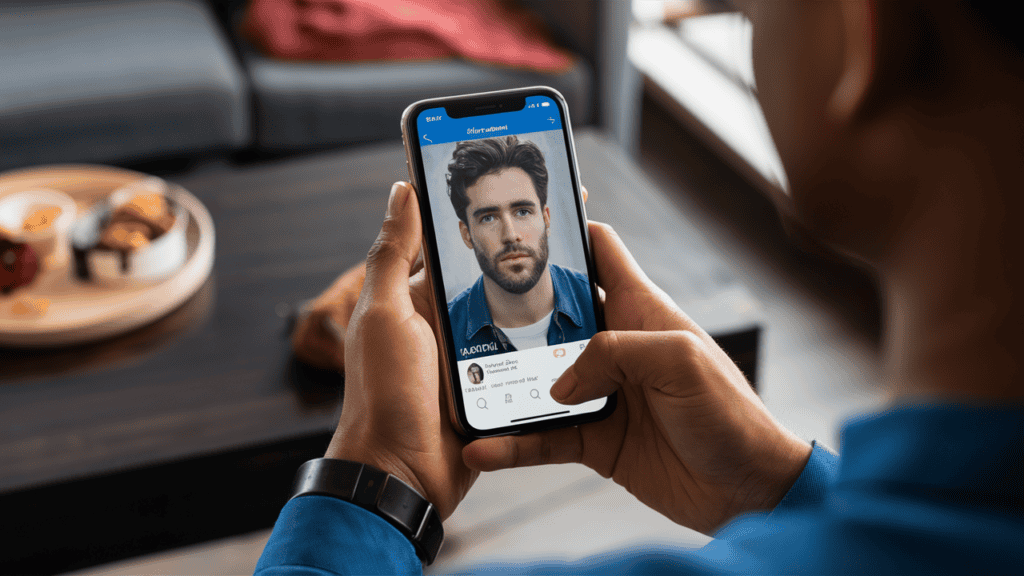
The phone screen glows, a portal in the dark. Maybe it’s Grindr, Scruff, Sniffies, maybe something else entirely – a digital speakeasy where the password is an anonymous torso pic and the currency is unspoken understanding. For countless men scrolling tonight, this isn’t just about hooking up; it’s about navigating a complex, often contradictory existence. This is the world of discreet men seeking men, a landscape carved out of necessity, desire, and the heavy weight of consequence.

Forget the Pride parades and rainbow flags for a moment. While visibility has surged, a significant chunk of the male-attracted male population operates firmly in the shadows, not out of shame (though that can be a factor), but out of a calculated need for privacy. We’re talking about the guy married to a woman he might genuinely love, the finance bro whose career hinges on a certain image, the son in a deeply religious family, the dude living in a small town where everyone knows everyone’s business, or simply the man who isn’t ready, or perhaps never will be, to pin his sexuality to his public persona like a lapel badge.
This isn’t a niche market. This is a vast, often invisible demographic navigating the tightrope between their internal desires and their external realities. MenMeetMen.com exists partly because this need is real, persistent, and demands its own set of rules, its own understanding. This isn’t a how-to guide in the traditional sense; think of it more as field notes from the blurred lines, a cultural dispatch from the world where “masc 4 masc, discreet” isn’t just a profile tag, it’s a survival strategy.
Why the Walls Stay Up: Deconstructing Discretion
Let’s get one thing straight: choosing discretion isn’t inherently tragic or cowardly. It’s often a pragmatic response to a world that, despite progress, can still be unforgiving. The reasons are as varied as the men themselves.
- The Hetero Facade: The most common image is the married man. Maybe it’s a lavender marriage, maybe it’s genuine affection mixed with an undeniable pull towards men, maybe it’s a complex knot of obligation, kids, mortgages, and shared history. Stepping out, even digitally, is a high-stakes gamble where losing means potentially detonating an entire life structure. The secrecy isn’t just about sex; it’s about preserving a family unit, financial stability, or a relationship that, in its own way, still holds value.
- Community and Creed: Imagine living in a town where the church picnic is the social event of the year, or belonging to a cultural community where traditional gender roles and expectations are ironclad. Coming out isn’t just personal; it’s potentially alienating yourself from your entire support system – family, friends, neighbours. The fear of ostracization, judgment, or even violence is a powerful motivator to keep that part of life compartmentalized.
- The Professional Paradox: Boardrooms, construction sites, military barracks, locker rooms – certain professional environments remain stubbornly attached to heteronormative ideals. For some men, being openly gay or bi could mean hitting a glass ceiling, facing workplace hostility, losing clients, or jeopardizing hard-won respect. Reputation management becomes paramount, and sexual exploration happens strictly off the clock and off the record.
- The Journey, Not the Destination: Not everyone experiences a lightning-bolt “coming out” moment. For many, understanding their sexuality is a slow burn, a process of exploration and self-discovery. They might be curious, questioning, or simply not ready to integrate this aspect of themselves into their public identity. Discretion allows them the space to explore these feelings without premature labels or external pressure. It’s a buffer zone during a period of internal flux.
There’s a tendency, sometimes even within the broader LGBTQ+ community, to view discretion with suspicion or judgment. “Just come out already!” is easy to say from a position of relative safety or acceptance. But for men juggling these complex realities, privacy isn’t about hiding in shame; it’s about control. It’s about carving out a space for authentic desire without torching the rest of their lives. It’s a calculated risk assessment performed daily.

Choosing Your Hunting Ground: The Discreet Man’s Atlas
So, you need to keep things under wraps. Where do you even start looking for connection, whether it’s a fleeting fuck or something with slightly more substance? The landscape has shifted dramatically with technology, but the old ways still persist, each with its own code of conduct.
The Analogue Underground:
- Gay Saunas: The classic. Often anonymous entry (cash is king), minimal interaction required beyond the physical, and an implicit understanding of privacy. These places are built on discretion. Dark rooms, private cabins, steam obscuring faces – it’s a purpose-built environment for detached encounters. The etiquette is key: respect boundaries, understand that conversation might be minimal, and leave the outside world at the door. It’s not for everyone – the atmosphere can range from clinical to overtly cruisy – but for sheer anonymity, it’s hard to beat.
- Swingers Clubs (Sometimes): Increasingly, clubs catering to heterosexual couples are becoming more welcoming to bi or bicurious men, either as single entrants on specific nights or as part of a couple exploring together. The vibe is different – often more social, more structured – but the emphasis on discretion is usually high among participants, who often have their own reasons for keeping their lifestyle private. Do your research; not all clubs are created equal, and some maintain a strictly hetero focus.
- Cruising Areas: The oldest school. Parks, rest stops, specific streets known only to those in the know. This carries the highest risk – potential for harassment, police attention, or unsafe encounters. But for some, the raw, unpredictable thrill and the deep-rooted history are part of the appeal. If you venture here, know the location’s reputation. Go at times known for activity but perhaps slightly off-peak. Situational awareness isn’t just advised; it’s essential. This is advanced-level discretion, not for the faint of heart.
The Digital Domain:
- The App Arsenal: This is where most discreet action happens now. Apps like Grindr, Scruff, Adam4Adam, Sniffies, and others are the default. The key is how you use them. Look for features like private browsing modes (sometimes requiring premium membership – often a worthwhile investment for the serious discreet user).
- The Faceless Profile: The headless torso shot is practically the uniform of the discreet online world. Or it’s a landscape photo, a meme, a picture of a pet. Anything but a clear face pic. This immediately signals your need for privacy. Be prepared for others to reciprocate – demanding face pics early is often a red flag in these circles (either they don’t get it, or they might have ulterior motives).
- Firewall Your Life: Crucially, never link your hookup app profile to your public social media (Facebook, Instagram, LinkedIn). That’s Discretion 101, yet you’d be surprised how many slip up. Create a dedicated email address – something anonymous, used only for these apps and sites. Think
[email protected], not[email protected].
The digital realm offers convenience and reach, but it’s a double-edged sword. It feels safer behind the screen, but the potential for digital trails is immense.
OpSec for Desire: Protecting Your Digital Ghost
In the world of discretion, you need to think like a spy. Operational Security, or OpSec, isn’t just for spooks and hackers; it’s fundamental to keeping your private life private when navigating the online meat market.
- Burner Identity: Get a secondary phone number. Google Voice is a common, free option. Burner app subscriptions offer temporary numbers you can discard. Use this number exclusively for your discreet activities – app verifications, quick calls before meeting. Never give out your primary number, the one linked to your family, your job, your bank.
- Information Diet: Be vague. Extremely vague. Don’t share your full name. Don’t mention your specific workplace (“I work in finance” is okay; “I work at Goldman Sachs on the 34th floor” is not). Avoid revealing your exact neighbourhood (“I’m in the east end” vs. “I live at 123 Fake Street”). Don’t discuss your daily schedule in detail. These fragments can be pieced together by someone motivated enough. Think jigsaw puzzle – don’t hand out the corner pieces.
- The Pushback Test: If someone online is aggressively pushing for identifying details early on – full name, face pics, social media handles, where exactly you work or live – before you’ve established any trust or rapport, consider it a massive red flag. It could be genuine cluelessness, but it could also be someone testing your boundaries for nefarious purposes (catfishing, blackmail). Trust your gut. A simple “I prefer to keep things private until we meet/chat more” should suffice. If they balk or get aggressive? Block. Delete. Move on. There are plenty more profiles in the sea.
This level of caution might feel paranoid, but it’s pragmatic. You’re managing risk. Every piece of information shared is a potential vulnerability.
The Meet: Safe Havens and Neutral Ground
Okay, you’ve chatted, you’ve maybe exchanged some carefully cropped pics, and you’ve decided to meet. The transition from digital anonymity to physical presence is the most critical point. Choosing the location is paramount.
- Hotel Havens: The go-to for many. Book a room, ideally under a first name only or a pseudonym if the hotel allows (less common now, but worth knowing). Pay cash if possible, though card is often unavoidable – consider a prepaid debit card loaded with cash if you want an extra layer of separation from your main bank accounts. Choose a hotel that’s convenient but perhaps not right next door to your office or home. Mid-range business hotels often offer more anonymity than boutique spots or budget motels.
- Venue Veracity: Saunas or clubs with private rooms/entrances are designed for this. They offer a controlled environment where privacy is part of the package.
- Avoid Your Turf: Never meet someone for the first time at your place or theirs. Never. It gives away too much information and puts you in a potentially vulnerable position. Neutral ground is non-negotiable for the first encounter.
- Public Spaces Pitfalls: Meeting for a “quick coffee first” in public seems safe, but consider the visibility. Could you run into a colleague? Your spouse’s friend? Your neighbour? Choose locations carefully – maybe a coffee shop in a different part of town, or at an off-peak time.
- Arrivals and Departures: Park your car a block or two away, not right outside the hotel or venue. Arrive separately, leave separately. Avoid being seen together entering or exiting. Think about sightlines. Choose less busy times if possible – a Tuesday afternoon hotel check-in is less conspicuous than a Friday night. Dress neutrally – avoid wearing anything distinctive that someone might remember or associate with you (like your company polo shirt, obviously).
This isn’t about being ashamed; it’s about controlling the narrative and minimizing the risk of accidental exposure.

Setting the Terms: Boundaries Are Your Best Defence
Discretion is a two-way street. You need privacy, and you need to respect the privacy of the person you’re connecting with. Establishing boundaries clearly and early is crucial.
- State Your Status: Be upfront about being discreet from the beginning of the conversation. “Hey, just letting you know I’m discreet and value privacy” sets the tone. This filters out people who aren’t comfortable with or respectful of that need.
- Control the Media: Don’t feel pressured into sending face pics if you’re not comfortable. A firm “I don’t share face pics until I feel comfortable, hope you understand” is perfectly valid. Same goes for video calls. If someone insists relentlessly, it’s often a sign they don’t respect boundaries – a major red flag.
- Ephemeral Messaging: Once you move off the main hookup app (which often have clunky interfaces), use messaging apps with disappearing message features. Telegram (Secret Chats), Signal, or even Snapchat offer ways to have conversations that automatically delete after a set time. This prevents chat logs from lingering on devices. Avoid standard SMS or WhatsApp unless you trust the person implicitly and are diligent about deleting.
- Reciprocity is Key: If someone respects your need for discretion, doesn’t push for details, and understands the boundaries, that’s a good sign. If they are pushy, overly inquisitive, or dismissive of your concerns (“Why are you being so paranoid?”), it’s likely not worth pursuing. Your safety and privacy are paramount. Don’t compromise them for a potential hookup.
Trust your intuition. If a conversation feels off, if someone seems too good to be true, or if their demands feel unreasonable, disengage. There’s no obligation to continue a conversation that makes you uncomfortable.
The Digital Breadcrumbs: Erasing Your Tracks
Every tap, every click, every picture saved leaves a potential trace. Managing your digital footprint is an ongoing task for the truly discreet.
- App Hygiene: Regularly clear your chat history within the apps. Delete conversations, especially after meeting someone or if things don’t pan out. Some apps have features to auto-clear old messages.
- Photo Management: Be mindful of where photos are saved. Disable auto-saving of images from messaging apps to your phone’s main gallery. If you do save sensitive pictures (yours or theirs), store them in a secure, encrypted folder or app (there are many vault apps available), not just floating in your main camera roll or backed up automatically to Google Photos or iCloud. Ideally, don’t save them at all.
- Browser Vigilance: Use incognito or private browsing mode when accessing dating sites or related content on your computer or phone. Regularly clear your browser history, cookies, and cache.
- Cloud Caution: Be incredibly wary of storing anything sensitive (photos, chat logs, explicit notes) in cloud services like Dropbox, Google Drive, or iCloud Drive unless you are absolutely confident in your security settings and encryption. These services can be vulnerable to hacking or accidental discovery.
The goal is to minimize the amount of potentially compromising data that exists anywhere. Less data, less risk.

Red Flags and Phantoms: Avoiding Scams and Setups
The need for discretion, unfortunately, makes some men targets. Predators know that discreet individuals are less likely to report incidents to authorities or even friends if something goes wrong. Awareness is your shield.
- Catfishing: The classic online deception. Someone using fake pictures and a false persona, often to extract emotional connection, explicit photos, or eventually money. Be wary of profiles with model-perfect photos but vague details, or those who consistently avoid video calls or meeting in person with endless excuses. A reverse image search on profile pictures can sometimes reveal fakes.
- Blackmail/Extortion: This is a serious risk. Someone might gain your trust, get you to share compromising photos or information, and then threaten to expose you to your spouse, family, or employer unless you pay them. This is why controlling information and media (especially face pics linked with explicit chat or other pics) is so vital. Never pay blackmailers – it rarely stops them, and often encourages them. If this happens, screenshot everything, block them, and consider reporting it to the police (difficult, but an option) or seeking advice from LGBTQ+ support organizations.
- Fake Meetups/Robbery: Less common, but possible. Luring someone to a secluded location under the pretence of a hookup, only to rob them. This underscores the importance of meeting in safe, neutral, and preferably semi-public or established locations for the first time. Always let someone you trust know where you’re going and when you expect to be back, even if you can’t tell them the exact reason for the meeting. A simple “Meeting someone at [Hotel Name], back by 10 pm” text to a trusted friend can be a lifeline.
- Gut Feelings: Trust your instincts. If someone’s behaviour seems erratic, overly aggressive, demanding, or inconsistent, or if the situation just feels off, bail. Make an excuse, leave, block them. Don’t worry about being polite. Your safety is more important than potentially offending a stranger who might be dangerous.
The Long Haul: Discretion as a Lifestyle
Maintaining discretion isn’t just about a single hookup; for many, it’s an ongoing operational mode. It requires consistent vigilance.
- Compartmentalization: Keeping different parts of your life truly separate takes mental energy. It means being constantly aware of what you say, who you say it to, what phone you’re using, what browser window is open.
- Geographic Awareness: Avoid cruising or meeting people in areas where you live, work, or socialize regularly. The risk of being recognized is too high.
- Consistency: The habits – separate emails, burner numbers, careful location choices, digital hygiene – need to become second nature, not just things you do occasionally.
It can be exhausting. The mental load of maintaining a double life, the fear of exposure, the potential isolation – these are real downsides. It’s important to acknowledge the potential toll on mental health and seek support if needed, even if that support has to be anonymous (online forums, discreet counselling services).

The Right to Remain Private
Living discreetly in 2025 is a complex act. It exists at the intersection of personal desire, societal pressure, technological evolution, and individual circumstance. There’s no single “right” way to be a man who desires other men, and the choice to remain private is as valid as the choice to be out and proud.
The tools and tactics discussed here aren’t about promoting secrecy for its own sake. They are about harm reduction. They are about enabling men to explore their sexuality – whether that means anonymous encounters in a dimly lit sauna or finding a consistent, discreet partner via an app – with a greater degree of safety and control over their personal information and their lives.
It’s a world navigated with careful steps, coded language, and a constant awareness of the stakes. It’s about understanding the landscape, managing the risks, and ultimately, finding connection – however fleeting or sustained – on your own terms, behind the necessary walls you’ve built. Being cautious isn’t about fear; it’s about agency in a world that doesn’t always grant it freely. It’s about owning your desire, even if you choose to do it quietly.
Looking for more ways to Meet Men Near You?
Featured Discreet Places To Meet Men: